
Athens, GA Domestic Violence Lawyer: Expert Family Law Assistance & Protective Orders
Domestic violence can shatter the peace of your home and family. In Athens, GA, securing skilled legal support is crucial for your safety and peace of mind. Samuel Thomas Law offers expert family law guidance, focusing on protective orders, restraining orders, divorce implications, child custody, and defense strategies specifically designed for Georgia law as of October 2025. This guide will walk you through Georgia’s domestic violence laws and protective orders, explain how to get urgent court relief in Athens-Clarke County, explore the impact of abuse on divorce and child custody, outline defense options against false accusations, highlight local victim support services, and show why Samuel Thomas Law is your trusted advocate for these sensitive matters.
Understanding Georgia’s Domestic Violence Laws and Your Protections
Georgia’s domestic violence statutes define abusive actions and establish legal remedies, both civil and criminal, to protect victims. Under state law, “family violence” includes acts of physical harm, stalking, harassment, and threats within intimate or familial relationships. These laws provide clear legal avenues for victims to obtain temporary or long-term restraining orders that limit an abuser’s contact and ensure personal safety.
Georgia law differentiates between misdemeanor and felony family violence offenses and empowers judges to issue protective orders based on the assessed risk. In Athens, courts carefully consider patterns of abuse, documented injuries, and credible threats. These legal measures not only serve to deter further violence but also significantly strengthen a victim’s position in related family law cases, including divorce, child custody, and financial support matters.
How Georgia Defines Domestic Violence and Family Violence
Georgia defines domestic violence as any act of violence or credible threat committed by a family member, household member, spouse, former spouse, or intimate partner. Family violence extends to physical assault, stalking, sexual violence, emotional abuse, and coercive control when it occurs between these specified individuals. This comprehensive definition ensures that non-violent threats and patterns of intimidation are also covered and eligible for protection.
The Georgia Family Violence Protective Act Explained
The Georgia Family Violence Protective Act grants courts the authority to issue Temporary Protective Orders (TPOs) and permanent Family Violence Protective Orders (FVPOs) to prevent ongoing abuse. It details the procedures for hearings, the standards for evidence, and the time limits for these orders—TPOs are effective for up to 30 days, while FVPOs can remain in force for up to one year, with the possibility of renewal. This legislation is designed to provide swift relief for individuals facing immediate danger.
Distinguishing Between Criminal and Civil Domestic Violence Cases
Criminal domestic violence cases involve prosecution by the state, potentially leading to jail time, fines, and a criminal record if an abuser violates Georgia’s Penal Code. Civil cases, on the other hand, focus on obtaining protective orders and may result in injunctions without criminal penalties. A victim seeking a restraining order does not need a criminal conviction; however, a favorable outcome in a civil hearing can significantly bolster subsequent family law claims.
How Domestic Violence Laws Affect Family Law Cases in Athens, GA
In divorce and child custody proceedings, judges take domestic violence findings into serious consideration when determining fault, dividing property, awarding alimony, and establishing custody and visitation schedules. A protective order or a criminal conviction can serve as grounds for a fault-based divorce and influence the equitable distribution of marital assets. In custody disputes, documented abuse often leads to supervised visitation or sole custody arrangements to ensure the children’s safety and well-being.
Steps to Obtain a Protective Order in Athens, GA
Initiating the process for a protective order in Athens-Clarke County involves filing a sworn affidavit that details specific incidents of abuse. To secure a Temporary Protective Order (TPO), applicants submit this affidavit at the county courthouse or the designated family violence division. The court typically schedules a hearing within ten days, where a judge will review the evidence and hear the victim’s testimony before deciding whether to grant relief.
Following a TPO hearing, victims have the option to request a full hearing for a Family Violence Protective Order (FVPO), which can remain in effect for up to a year. Courts assess various risk factors, including the severity of threats, any history of violence, and the presence of minors. Once issued, protective orders legally prohibit the respondent from harassing, contacting, or approaching the petitioner and may require the surrender of firearms to enhance safety.
The Process for Securing a Temporary Protective Order (TPO) in Athens-Clarke County
Your first step is to complete a sworn affidavit at the Athens-Clarke County Superior Court clerk’s office. A judge will review the affidavit and may issue a TPO even before the respondent is present. A hearing is then scheduled within ten days, allowing both parties to present their evidence. If the judge finds credible threats or recent violence, the TPO will remain in effect until the final hearing.
When and How Emergency Protective Orders (EPOs) Are Issued
Emergency Protective Orders (EPOs) are available when law enforcement officers responding to a domestic disturbance determine there is an immediate risk of harm. An officer can request an EPO directly from a judge, even outside of regular court hours. These orders provide immediate protection for up to 72 hours, offering a crucial safety net until a TPO can be formally filed.
Consequences of Violating Protective Orders in Georgia
Violating a TPO or FVPO is a criminal offense in Georgia, punishable by arrest, fines, and potential jail time. Depending on the severity of the violation and the offender’s history, it can be classified as a misdemeanor or a felony. Repeated violations may result in more severe penalties, underscoring the seriousness with which these orders are treated.
How a Domestic Violence Lawyer Can Aid Protective Order Applications
An experienced attorney can navigate the complex procedural requirements, draft compelling affidavits, and effectively present testimony during hearings. At Samuel Thomas Law, our advocates meticulously prepare documentation, anticipate potential defense arguments, and ensure all procedural deadlines are met. This expert legal support significantly increases the likelihood of obtaining timely relief and establishes a strong foundation for any related family law matters.
The Impact of Domestic Violence on Divorce Proceedings in Georgia
Domestic violence can be a significant factor in fault-based divorce cases, as abusive conduct often serves as statutory grounds for marital dissolution. Proving family violence provides a legal basis to pursue fault grounds, which can influence decisions regarding property division and spousal support. Judges may award a larger portion of marital assets to the victim or limit an abuser’s financial recovery based on documented abuse.
When dividing assets in marriages affected by abuse, courts consider the physical and emotional toll the violence has taken. Judges assess whether misconduct directly diminished marital wealth through excessive legal expenses, lost income, or coerced financial transfers. This careful review aims to ensure an equitable distribution that acknowledges the victim’s potentially reduced bargaining power and financial dependence.
Spousal support in cases involving domestic violence takes into account the victim’s safety needs, emotional recovery, and ability to secure independent housing. Judges may grant rehabilitative or permanent alimony to ensure long-term financial stability. Skilled legal representation is vital for victims to effectively present evidence of the abuse’s economic impact and negotiate support orders that facilitate their recovery.
Domestic Violence’s Impact on Fault-Based Divorce Cases
In fault-based divorces, family violence provides statutory grounds, often leading to a more favorable equitable distribution for the victim. Courts weigh the severity, duration, and documented evidence of abuse when assigning fault, which can result in more advantageous financial outcomes for the injured spouse.
Handling Asset Division in Abusive Marriages
Judges scrutinize how abuse may have depleted marital assets, considering factors like medical costs, legal fees, or coerced financial transfers. This detailed examination ensures that victims receive a fair share of property, reflecting the economic consequences of the violence on the marital estate.
Alimony Rights and Considerations in Domestic Violence Cases
Spousal support awards are determined with consideration for safety requirements, potential housing relocation costs, and the victim’s emotional recovery process. Courts may award rehabilitative alimony to help victims develop skills for workforce re-entry, or permanent support if the abuse has had lasting financial effects on the injured spouse.
How Legal Counsel Protects Your Rights During a Domestic Violence Divorce
Experienced attorneys meticulously gather crucial evidence, including medical records, police reports, and witness statements, to document the impact of abuse. Legal counsel can negotiate favorable settlements or litigate to secure protective provisions and financial awards that safeguard the victim’s well-being and future stability throughout the divorce proceedings.
Domestic Violence’s Influence on Child Custody and Visitation in Athens, GA
In situations involving family violence, courts apply the “best interests of the child” standard with an intensified focus on safety. Judges evaluate factors such as physical harm, emotional trauma, and the abuser’s history when making custody decisions. The presence of a protective order or a criminal conviction often leads to supervised visitation or sole custody arrangements designed to shield children from exposure to abuse.
Supervised visitation ensures that any contact between the child and the abusive parent occurs in controlled settings with trained monitors, significantly reducing the risk of further harm. In more severe cases, sole legal and physical custody may be awarded to the non-abusive parent. These arrangements prioritize the child’s welfare while allowing for limited, safe interaction.
While child support calculations are generally based on statutory guidelines, courts may adjust awards to cover expenses related to therapy, relocation, or security measures necessitated by domestic violence. Effective legal advocacy helps parents document these additional needs, ensuring that financial orders adequately reflect the comprehensive support required for the children’s recovery.
The “Best Interests of the Child” Standard in Domestic Violence Cases
The “best interests” analysis involves a thorough examination of factors such as each parent’s stability, any history of abuse, the child’s safety, and their emotional bonds with each parent. Evidence of domestic violence carries significant weight in this assessment, guiding custody decisions toward the creation of a protective environment.
When Supervised Visitation or Sole Custody Is Recommended
Supervised visitation is typically ordered when there is a concern that children may be at risk during unsupervised contact with a parent. Sole custody is generally granted if the violence is severe, ongoing, or poses a substantial threat to a child’s physical or emotional well-being.
Determining Child Support with Domestic Violence Involved
Child support calculations begin with established statutory guidelines but can be modified to include additional provisions for therapy, safe housing, or specialized educational needs resulting from trauma. Courts will incorporate these necessary factors into the final financial order.
How a Family Law Attorney Protects Children from Domestic Abuse
Attorneys are instrumental in compiling evidence, engaging expert witnesses, and proposing safe parenting plans that address specific needs arising from abuse. Legal guidance ensures that court orders are tailored to the children’s recovery requirements and provide long-term protection.
Defending Against False Domestic Violence Allegations in Georgia
Mounting a defense against false allegations requires a strategic, evidence-driven approach to safeguard your reputation, parental rights, and avoid unwarranted criminal charges. Promptly gathering supporting documentation—such as text messages, surveillance footage, and witness affidavits—is crucial for a strong defense. Experienced attorneys will challenge inconsistencies in the accuser’s claims, conduct thorough cross-examinations, and present counter-evidence during protective order and criminal hearings to demonstrate the lack of credible proof.
Protecting your legal rights necessitates immediate action: attend all scheduled hearings, formally request disclosure of all evidence against you, and file motions to dismiss any claims lacking sufficient support. A robust defense strategy can prevent the issuance of unjustified protective orders, minimize visitation restrictions, and help you avoid criminal convictions that carry lasting consequences.
Legal Consequences of Filing False Domestic Violence Claims
Making false claims can potentially lead to charges of perjury, civil liability for defamation, and the dismissal of any protective orders obtained. However, individuals falsely accused often endure significant emotional and financial strain until the truth is established in court.
Building an Effective Legal Defense Strategy
A strong defense involves meticulously collecting contemporaneous evidence, securing declarations from character witnesses, and utilizing forensic experts when necessary. Developing a clear timeline of events and highlighting factual contradictions can effectively undermine baseless accusations.
The Crucial Role of Evidence in Disproving False Allegations
Evidence is paramount: digital records, statements from third parties, and physical documentation can decisively refute claims of abuse. Demonstrating an accuser’s potential motive or exposing inconsistencies in their story can significantly shift the court’s assessment away from unfounded allegations.
Local Resources for Domestic Violence Victims in Athens, GA
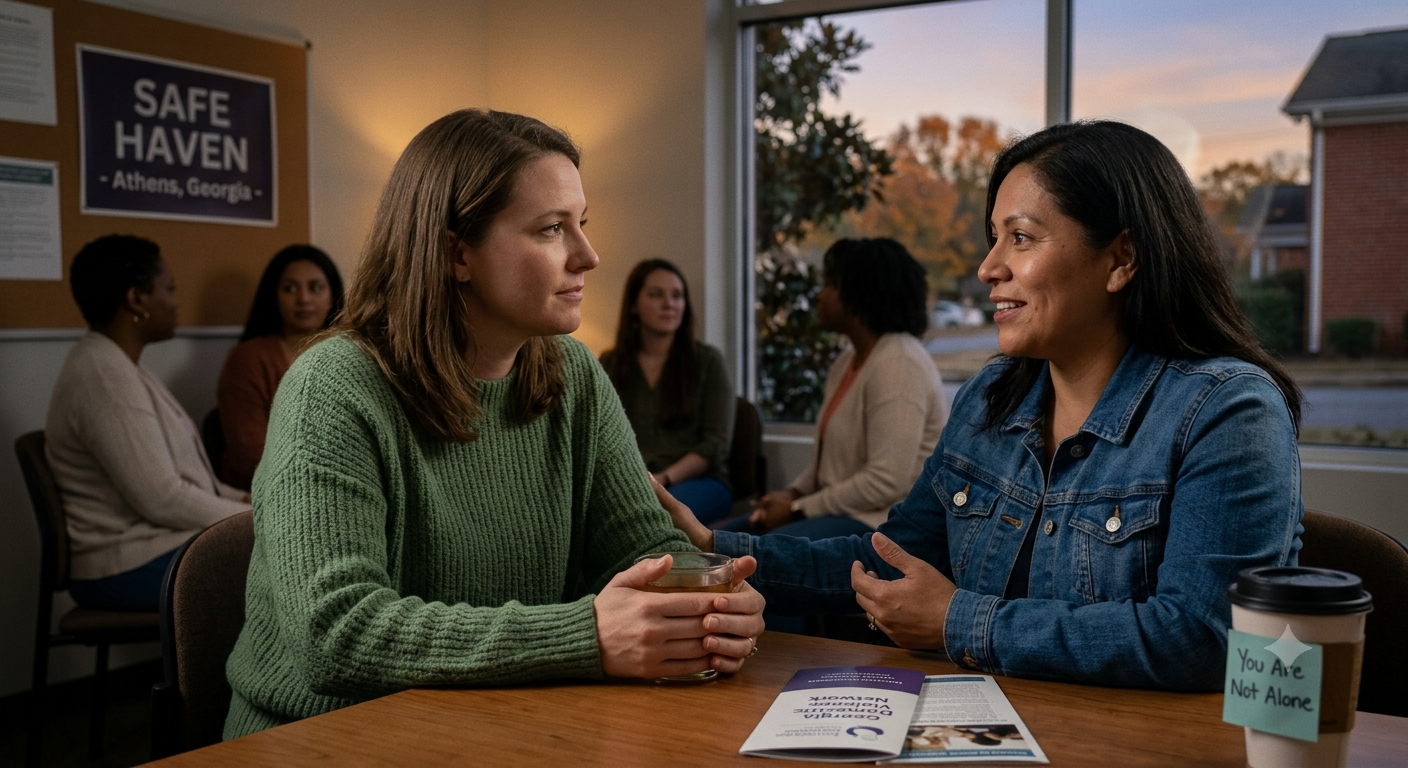
Athens provides a vital network of support services that complement legal protections, aiding survivors in their journey toward safety and recovery. Project Safe offers a 24-hour confidential hotline and emergency shelter, providing immediate crisis intervention, advocacy, and court accompaniment. Their trained advocates guide victims through the protective order process and connect them with essential resources for counseling, housing, and financial assistance.
The Jane W. Wilson Family Justice Clinic at the local university offers free legal representation for protective order and domestic relations matters. Additionally, the Georgia Legal Services Program provides pro bono assistance to low-income survivors, helping with safety planning, housing solutions, and achieving financial independence. Various Clarke County community agencies offer specialized trauma therapy, support groups, and childcare services to further assist victims.
Why Partner with Samuel Thomas Law for Your Domestic Violence and Family Law Case in Athens, GA?
Samuel Thomas Law uniquely combines extensive family law expertise with a deeply compassionate approach to guide clients through life’s most difficult transitions. As a dedicated Athens, GA law firm specializing in divorce, child custody, and protective orders, we prioritize clear communication, personalized legal strategies, and tenacious representation in both civil and criminal matters. Our attorneys leverage significant courtroom experience to secure urgent protective orders, negotiate fair divorce settlements, and advocate for safe and appropriate custody arrangements.
Built on a foundation of trust and local understanding, our firm stands by clients every step of the way, from initial filings to the final court orders. You will benefit from meticulous case management, up-to-date insights on Georgia statutes, and practical advice aimed at restoring stability to your life. To schedule a consultation and fully understand your rights, please contact Samuel Thomas Law’s dedicated legal team by phone or via our online inquiry form. Secure expert legal guidance today and confidently protect your future.